
Keeping bees is a fulfilling hobby that benefits both you and the environment. It’s a great way to support pollinator conservation while enjoying fresh, natural honey. With the rise of sustainable living, more people are exploring this rewarding activity.
This comprehensive resource covers everything you need to get started. From choosing the right equipment to setting up your first colony, it’s designed to guide you step-by-step. Proper preparation and foundational knowledge are key to ensuring your success.
For added convenience, downloadable PDFs and video resources are available. These tools make learning easier and more accessible. Whether you’re a beginner or looking to refine your skills, this guide has you covered.
Key Takeaways
- Keeping bees supports pollinator conservation and provides fresh honey.
- This guide covers equipment, setup, maintenance, and harvesting.
- Downloadable resources are available for multi-format learning.
- Preparation and foundational knowledge are essential for success.
- It’s a rewarding hobby that aligns with sustainable living practices.
Why Start Backyard Beekeeping?
Bees play a vital role in our ecosystem, and starting a hive at home can make a big difference. These tiny pollinators are responsible for nearly 30% of the food crops we rely on. However, their populations are declining due to mites, pesticides, and habitat loss. By creating a safe space for a colony, you’re helping to reverse this trend.
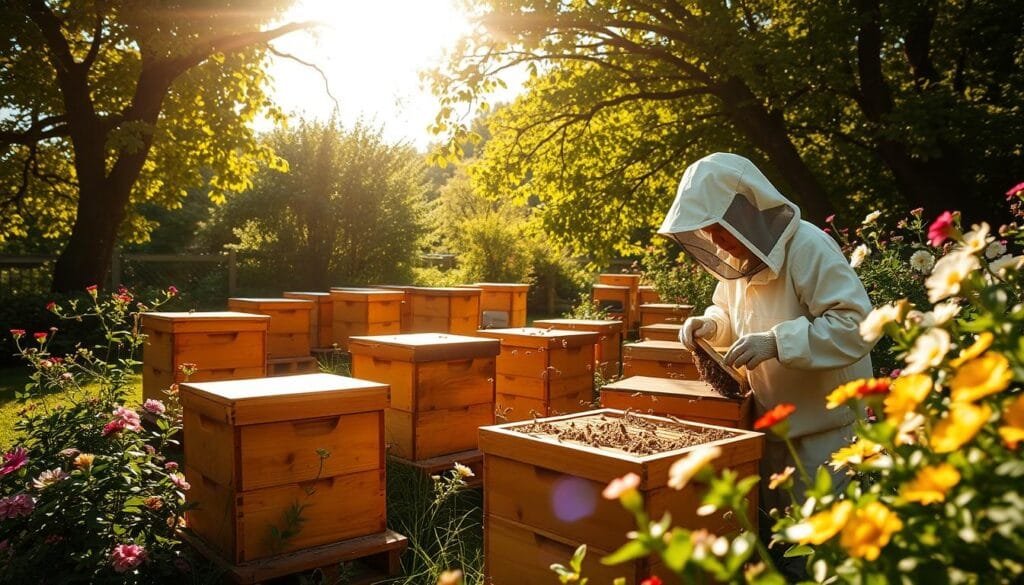
One of the most rewarding benefits is harvesting your own honey. Unlike store-bought versions, raw honey retains all its natural nutrients. It’s a delicious, organic treat straight from your hive. Plus, beeswax can be used for DIY projects like candles or lip balms, adding even more value to your efforts.
Beyond the tangible rewards, beekeeping offers educational opportunities. It’s a chance to learn about the intricate social structure of a colony and their role in the ecosystem. This hobby also has therapeutic benefits, providing a mindful escape from daily stress.
There’s even a financial upside. If your hive produces more honey or wax than you need, you can sell the excess. This makes it a sustainable hobby that supports both your wallet and the environment. Starting a hive is a small step with a big environmental impact, ensuring a healthier planet for future generations.
Is Beekeeping Right for You?
Beekeeping is rewarding, but it’s not for everyone—assess your fit first. This hobby requires time, dedication, and a genuine interest in caring for bees. Before you start, make sure you’re ready for the commitment and challenges involved.
Assessing Your Interest and Commitment
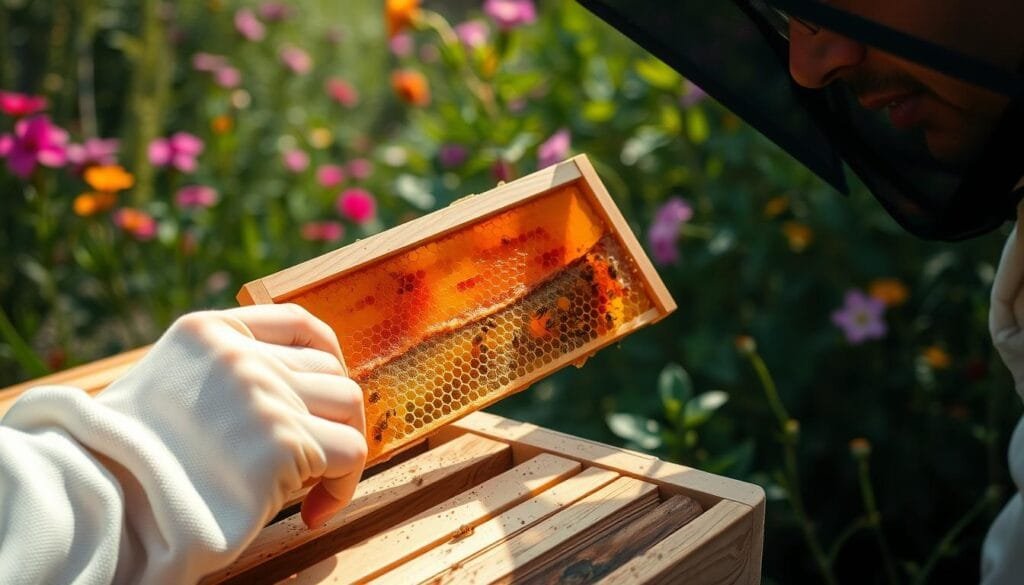
Ask yourself if you’re passionate about learning and working with bees. This hobby involves weekly inspections, harvesting, and maintenance. Make sure you can dedicate at least an hour or two each week to your hive.
If you’re unsure, consider shadowing experienced beekeepers. Programs like WWOOFing or local associations offer hands-on learning opportunities. This can help you decide if it’s the right fit for you.
Checking Local Laws and Neighbor Considerations
Before setting up a hive, research local laws. Many cities require permits, and some states mandate neighbor approval. Zoning laws and hive distance requirements vary, so make sure you comply with all regulations.
Discuss your plans with neighbors to address any concerns. Offering honey samples can help ease their worries. If your home setup isn’t feasible, consider alternatives like community gardens.
Lastly, assess your ability to handle potential challenges. Allergic reactions to bee stings can be severe, so allergy testing is recommended. Proper gear and preparation are essential for safety.
Understanding Honeybees and Their Hive
Honeybees are fascinating creatures with a complex social structure and hive-building skills. Their ability to work together as a colony ensures their survival and productivity. Let’s dive into the roles of the queen bee, worker bees, and drones, as well as how they build and maintain their hive.
The Social Structure of a Bee Colony
Every colony revolves around three key members: the queen bee, worker bees, and drones. The queen bee is the heart of the hive, laying up to 1,500 eggs daily. Her primary role is reproduction, ensuring the colony’s growth.
Worker bees are the backbone, handling tasks like foraging, hive maintenance, and caring for larvae. They live for 4-6 weeks and work tirelessly to keep the hive functioning. Drones, on the other hand, exist solely for mating. After fulfilling their role, they either die or are expelled during winter.
How Bees Build and Maintain Their Hive
Bees construct their hive using wax produced by their glands. They also use propolis, a sticky substance, to seal gaps and protect against invaders. The hive’s hexagonal cells are a marvel of efficiency, storing honey, pollen, and larvae.
Seasonal behaviors play a crucial role in hive management. In spring, bees swarm to establish new colonies. During winter, they cluster together to conserve heat. Communication is key, with bees using waggle dances and pheromones to share information about food sources and threats.
| Role | Description | Lifespan |
|---|---|---|
| Queen Bee | Lays eggs, ensures colony growth | 2-5 years |
| Worker Bees | Forage, maintain hive, care for larvae | 4-6 weeks |
| Drones | Mate with the queen | Until mating or winter |
Essential Beekeeping Equipment
Having the proper equipment is essential for a smooth and safe experience with your bees. From selecting the right hive to protective gear, each tool plays a vital role in managing your colony effectively. Let’s explore the essentials you’ll need to get started.
Choosing the Right Hive
Two popular hive types are the Langstroth and top-bar designs. The Langstroth hive is expandable, making it ideal for larger colonies. Its 8-frame boxes reduce weight, making it easier to handle. This design lasts 10-20 years with proper care.
Top-bar hives are simpler and require less intervention. They’re a great choice for those who prefer a hands-off approach. However, they may not produce as much honey as Langstroth hives. Consider your goals and regional norms when choosing the right hive.
| Hive Type | Pros | Cons |
|---|---|---|
| Langstroth | Expandable, durable, high honey yield | Heavier, requires more maintenance |
| Top-Bar | Low-intervention, lightweight | Lower honey yield, less durable |
Protective Gear and Tools
Safety is paramount when working with bees. A ventilated suit, gloves, and a veil protect you from stings. Leather gloves offer durability, while ventilated suits keep you cool during inspections.
Essential tools include a hive tool, bee brush, frame grips, and a J-hook. These items help you manage the hive efficiently. A smoker is also crucial for calming bees during inspections. Use pine needles or burlap as fuel, and practice lighting techniques for optimal results.
For added safety, consider fencing to protect your hive from bears or other wildlife. Buying local equipment ensures it’s tailored to your region’s conditions, making your experience smoother and more successful.
Setting Up Your Backyard Beekeeping Space
Choosing the right spot for your hive is crucial for the health and productivity of your bees. A well-planned location ensures they thrive and produce honey efficiently. Let’s explore how to find the perfect area and prepare it for your colony.
Finding the Perfect Location
Start by selecting a location that faces southeast. This ensures your bees get morning sun, which helps them start their day early. Elevate the hive at least 18 inches off the ground to deter skunks and other predators.
Avoid areas near pools, as bees are attracted to chlorinated water. Also, steer clear of high foot traffic zones to minimize disturbances. Look for level ground with natural windbreaks, like trees or shrubs, to protect the hive from strong winds.
Consider nearby flowering plants to provide a steady food source. If space is limited, creative locations like rooftops, cemeteries, or botanical gardens can work well. Just ensure the area has proper drainage and isn’t overly shaded.
Preparing the Area for Your Bees
Once you’ve chosen the ideal location, it’s time to prepare the area. Start by securing the hive with cinder blocks or pallets to keep it stable. For added protection, consider installing electric fencing to deter larger animals.
Provide a water source nearby, like a shallow dish with corks to prevent drowning. Avoid using pesticides in the surrounding area, as they can harm your bees. Instead, opt for natural pest control methods.
Finally, ensure the hive is easily accessible for inspections and maintenance. A well-prepared area not only supports your bees but also makes your beekeeping experience smoother and more enjoyable.
Your Backyard Beekeeping Starter Guide: Step-by-Step
Starting your journey with bees is an exciting step toward sustainability and self-sufficiency. With the right preparation, you’ll be ready to welcome your first colony and enjoy the rewards of this fulfilling hobby. Let’s walk through the essential steps to getting started.
Ordering Your Bees and Equipment
To begin, you’ll need to order your bees and gather the necessary equipment. Start with 2-3 colonies for a manageable yet productive setup. Local nucs (nucleus colonies) are often a better choice than mail-order packages, as they establish faster and reduce shipping stress.
Here’s a timeline to follow:
- Order your bees by January to secure availability.
- Assemble and paint your hives in February to prepare for spring.
When assembling your hive, focus on the bottom board, brood boxes, and inner covers. These components form the foundation of your colony’s home. Ensure everything is sturdy and well-prepared before your bees arrive.
Installing Your First Colony
Once your bees arrive, it’s time to install them in their new home. Early spring (March-May in the Pacific Northwest) is ideal, as it aligns with blooming seasons. Begin by transferring the frames from the nuc or package into the hive. This process requires patience and care to avoid disturbing the bees.
After installation, feed your bees sugar syrup to help them settle in. Monitor the queen’s release and ensure she begins laying eggs. Initial foraging and pest monitoring are also crucial during this phase. Regular checks will help your colony thrive.
| Step | Details |
|---|---|
| Order Bees | Choose local nucs for faster establishment. |
| Assemble Hive | Prepare bottom board, brood boxes, and inner covers. |
| Install Colony | Transfer frames, feed sugar syrup, and monitor queen release. |
By following these steps, you’ll set the stage for a successful and rewarding experience. Remember, preparation and attention to detail are key to getting started on the right foot.
Conclusion
Embarking on a beekeeping journey is a rewarding way to connect with nature and support pollinators. Start small, prioritize education, and seek mentorship to build confidence. Joining local associations can provide ongoing support and valuable insights from experienced keepers.
One of the most satisfying moments is harvesting your first batch of honey. It’s a tangible reward for your efforts and a reminder of the vital role bees play in our ecosystem. Celebrate their contributions by marking National Honey Bee Day on the third Saturday of August.
For more tips and a step-by-step guide, download our free PDF resource. It’s packed with everything you need to set up your hive and care for your bees with confidence. Let’s work together to create a healthier planet, one hive at a time.
FAQ
Why should I consider keeping bees in my yard?
Keeping bees supports pollination, helps the environment, and provides fresh honey. It’s a rewarding hobby that connects you with nature and contributes to biodiversity.
How do I know if beekeeping is a good fit for me?
Assess your interest, time commitment, and local regulations. Beekeeping requires patience, attention to detail, and a willingness to learn about bees and their needs.
What are the key components of a bee colony?
A colony consists of a queen bee, worker bees, and drones. Each plays a vital role in maintaining the hive, producing honey, and ensuring the colony’s survival.
What equipment do I need to get started?
Essential gear includes a hive, protective clothing like a veil and gloves, a smoker, and tools like a hive tool. Choose equipment that suits your needs and budget.
How do I choose the right location for my hive?
Pick a sunny, sheltered spot with easy access to water and flowers. Ensure the area is safe from strong winds and disturbances from pets or people.
How do I install my first colony?
Start by setting up your hive and ordering bees from a reputable supplier. Carefully introduce the bees to their new home, ensuring they have enough space and resources to thrive.
What’s the best type of hive for beginners?
Langstroth hives are popular for their ease of use, while top bar hives are simpler and more natural. Choose based on your goals and the amount of time you can dedicate.
How do I maintain my hive throughout the year?
Regularly inspect the hive for health, monitor honey stores, and prepare for seasonal changes. Spring and summer are busy times, while fall and winter focus on protection and preparation.